Quiet kitchen appliances for apartments solve the noise problem that comes with shared walls and close neighbors. Standard appliances can reach 90-100 decibels, loud enough to trigger noise complaints and damage your hearing over time.
If you need quiet kitchen appliances for apartments, this guide covers the best options in each category. You’ll learn what decibel levels actually mean and how to choose equipment that won’t disturb your household or neighbors.
Quiet kitchen appliances for apartments include low-noise blenders, silent dishwashers, and compact air fryers designed specifically for noise-sensitive environments. According to the National Institute on Deafness, prolonged exposure to noise above 85 decibels can cause permanent hearing damage.
Contents
- 1 Why Noise Matters in Apartment Kitchens
- 2 Best Quiet Appliances for Open-Plan Apartments
- 3 Understanding Decibel Levels
- 4 Best Quiet Kitchen Appliances by Category
- 5 Quietest Appliances Summary Table
- 6 General Tips for a Quieter Kitchen
- 7 When Noise Complaints Happen
- 8 Our Top Picks for Apartment Kitchens
- 9 Conclusion
Why Noise Matters in Apartment Kitchens
Apartment living means close proximity to others. Sound travels through walls, floors, and ceilings. What seems like normal kitchen noise to you can be disruptive to neighbors, especially during early mornings or late evenings.
Common kitchen noise problems in apartments include:
- Blenders waking up roommates during morning smoothie prep
- Dishwashers running during movie night in open-concept layouts
- Coffee grinders disturbing downstairs neighbors before 7am
- Exhaust fans competing with conversation during dinner parties
Beyond neighborly concerns, loud appliances create stress in your own home. A kitchen that sounds like a construction site isn’t pleasant to cook in.
Best Quiet Appliances for Open-Plan Apartments
In open-plan apartments, kitchen noise affects the entire living space. Here’s the best combination of quiet appliances for cooling, air purification, and cleaning without constant background noise:
Cooling: Portable AC units under 50dB, or mini-split systems
Air Purification: HEPA filters with silent mode (under 25dB)
Cleaning: Robot vacuums with quiet modes, countertop dishwashers under 55dB
The key is choosing appliances with dedicated “quiet” or “sleep” modes that run under 40 decibels.
Understanding Decibel Levels
Decibels (dB or dBA) measure sound intensity. Each 10-decibel increase represents roughly double the perceived loudness.
Here’s a reference scale for kitchen context:
| Decibel Level | Sound Equivalent | Kitchen Example |
|---|---|---|
| 30 dB | Whisper | Refrigerator hum |
| 40 dB | Library | Quiet dishwasher |
| 50 dB | Moderate rainfall | Good dishwasher |
| 60 dB | Normal conversation | Quiet blender with enclosure |
| 70 dB | Vacuum cleaner | Average air fryer |
| 80 dB | Busy traffic | Loud blender |
| 90 dB | Lawn mower | Standard blender at full speed |
| 100 dB | Motorcycle | Powerful blender crushing ice |
Target levels for apartment living:
- Dishwashers: Under 45 dB (won’t interrupt conversation)
- Blenders: Under 70 dB (noticeable but not disruptive)
- Air fryers: Under 65 dB (background noise level)
- Coffee makers: Under 60 dB (won’t wake sleepers in next room)
Best Quiet Kitchen Appliances by Category
1. Quiet Blenders
Standard blenders are among the loudest kitchen appliances, often exceeding 90 decibels. That’s loud enough to cause hearing damage with prolonged exposure and definitely loud enough to wake neighbors.
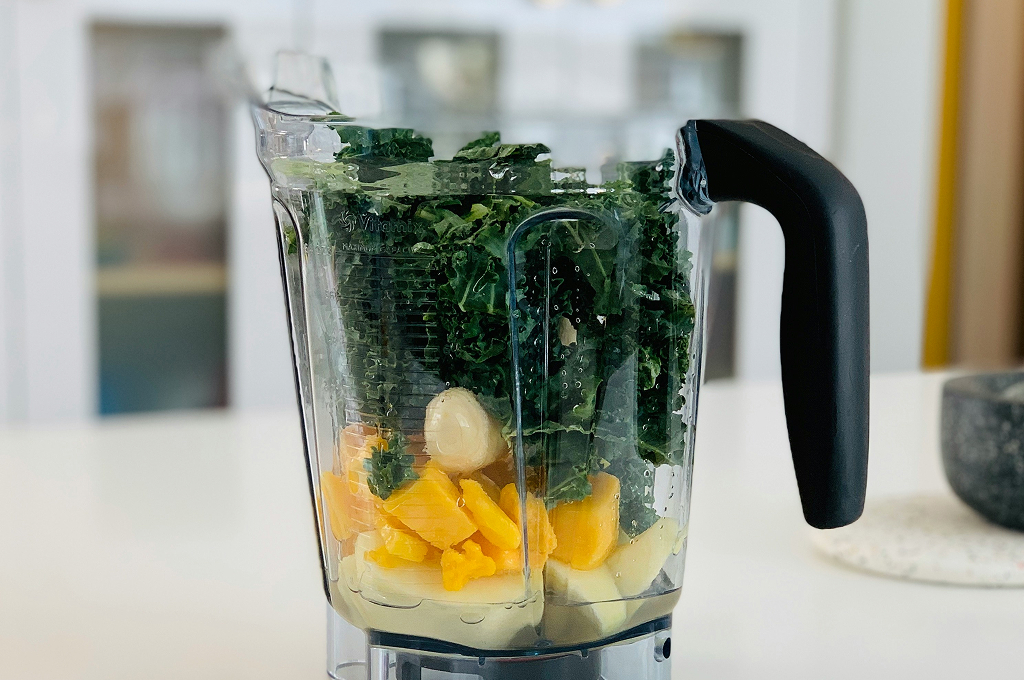
When shopping for quiet kitchen appliances for apartments, blenders should be your first priority. According to Wirecutter’s blender guide, noise levels vary dramatically between models.
What makes blenders loud:
- High-powered motors (necessary for crushing ice and frozen fruit)
- Blade friction against ingredients
- Vibration transferred to countertop
- Plastic housings that amplify rather than dampen sound
Quietest blender options:
Hamilton Beach SoundShield (Best Value)
- Decibel level: ~70 dB with shield down
- Price: ~$60
- The sound enclosure physically blocks noise from escaping
- Still powerful enough for smoothies and frozen drinks
- Shield removes for easy cleaning
Nutribullet Flip (Best Portable)
- Decibel level: ~71-73 dB
- Price: ~$80
- Steel construction dampens sound better than plastic
- Compact size ideal for small kitchens
- Insulated cup keeps drinks cold
Blendtec Professional 800 (Premium Choice)
- Decibel level: ~60-65 dB
- Price: ~$700
- Commercial-grade sound enclosure
- Most powerful quiet blender available
- Overkill for most apartment kitchens but whisper-quiet
Tips for quieter blending:
- Place a folded towel under the blender base to absorb vibration
- Blend in short pulses rather than continuous operation
- Add liquid ingredients first to reduce strain on motor
- Keep blades sharp (dull blades work harder and louder)
- Blend during daytime hours when ambient noise masks the sound
2. Quiet Air Fryers
Air fryers use fans to circulate hot air, which creates noise. However, they’re generally quieter than blenders and can be managed with the right model selection.
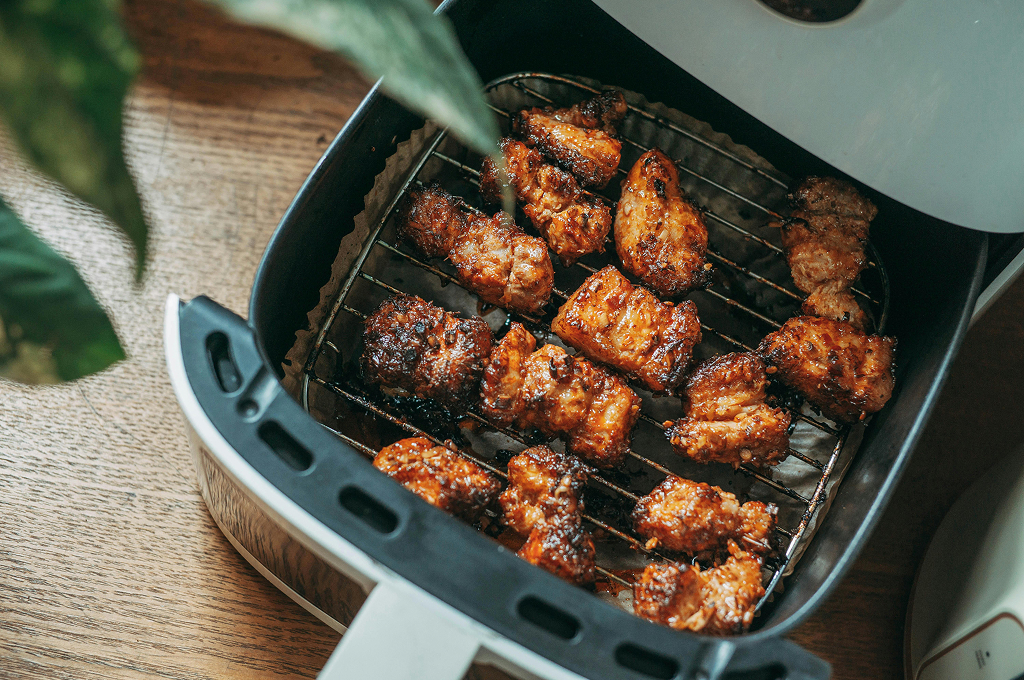
Typical air fryer noise levels:
- Budget models: 65-70 dB
- Mid-range models: 55-65 dB
- Toaster ovens (no fan): Nearly silent
COSORI Air Fryer Pro LE 5-Qt (Best Quiet Air Fryer)
- Decibel level: ~55-60 dB (marketed as “Quiet Operation”)
- Price: ~$90
- Specifically designed for reduced noise
- 5-quart capacity fits most needs
- Dishwasher-safe basket
Alternative: Toaster Oven If noise is your primary concern, consider a toaster oven instead. They have no fan and operate nearly silently. The tradeoff is less crispy results on some foods.
See our Air Fryer vs Toaster Oven comparison
Tips for quieter air frying:
- Place on a stable, solid surface (not a thin cutting board)
- Avoid overloading the basket (strains the fan)
- Run during waking hours
- Consider placing in a corner where walls absorb some sound
3. Quiet Dishwashers
Dishwashers vary dramatically in noise output. Budget models can exceed 60 dB while premium models operate below 40 dB, quieter than a library.
For apartment renters, built-in dishwasher replacement usually isn’t an option. Focus on countertop or portable models you can control.
Countertop Dishwasher (Best for Apartments)
- Decibel level: ~50-55 dB (varies by model)
- Price: $300-500
- No permanent installation required
- Connects to kitchen faucet
- Perfect for 1-2 person households
Check Countertop Dishwashers on Amazon
What makes dishwashers quiet:
- Stainless steel tubs (absorb sound better than plastic)
- Multiple insulation layers
- Inverter motors (run smoother than standard motors)
- Soft food disposers (vs hard grinders)
If you have a built-in dishwasher:
- Run during daytime hours
- Use shorter cycles when possible
- Keep the filter clean (clogged filters cause strain and noise)
- Check that the unit is level (unlevel dishwashers vibrate more)
4. Quiet Coffee Makers
Coffee makers vary widely in noise. Drip coffee makers are nearly silent. Pod machines make moderate noise during brewing. Grind-and-brew machines are loudest due to the built-in grinder.
Quietest coffee options by type:
Drip Coffee Maker (~40-50 dB) Basic drip machines with no grinder are the quietest option. The only noise is water heating and dripping.
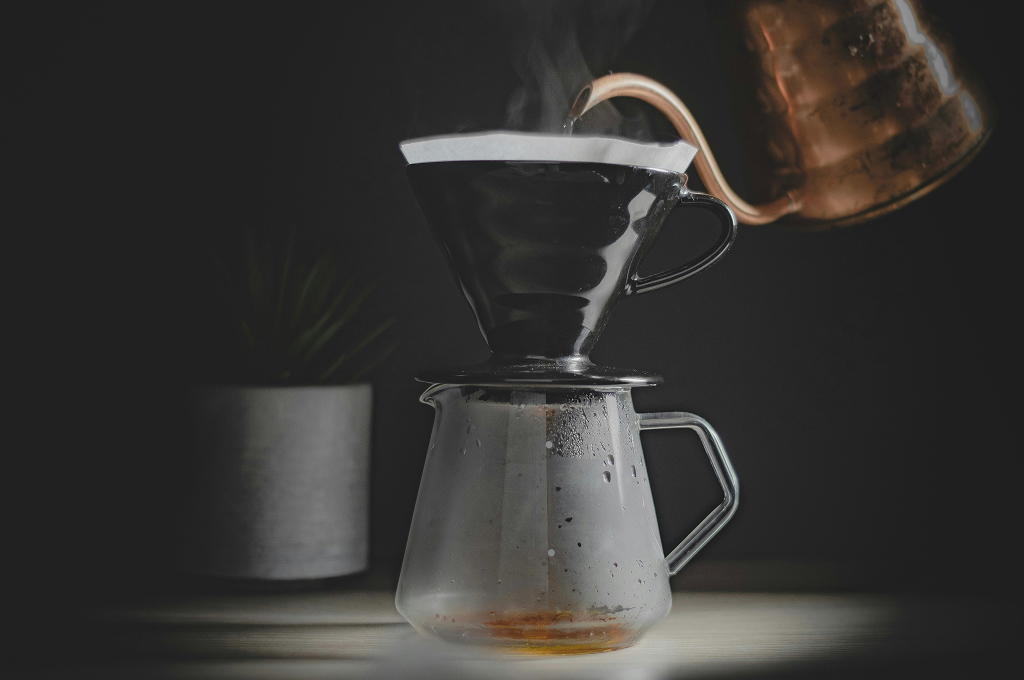
Pour Over (Silent) Manual pour-over requires no electricity and makes zero noise. Best for coffee purists who don’t mind the process.
Single-Serve Pod Machines (~55-65 dB) Keurig and similar machines make brief noise during brewing (15-30 seconds). Quieter than grinders but louder than drip.
Grind-and-Brew (~70-80 dB) Built-in grinders are loud. If you want fresh-ground coffee, grind beans the night before and use a drip maker in the morning.
Check Quiet Coffee Makers on Amazon
Tips for quieter coffee:
- Grind beans at night, brew in morning
- Use pod machines for minimal noise
- Place coffee maker on a rubber mat to reduce vibration
- Choose models with insulated brewing chambers
5. Quiet Electric Kettles
Electric kettles are generally quiet, but some are noticeably quieter than others. The main noise comes from water heating and bubbling.
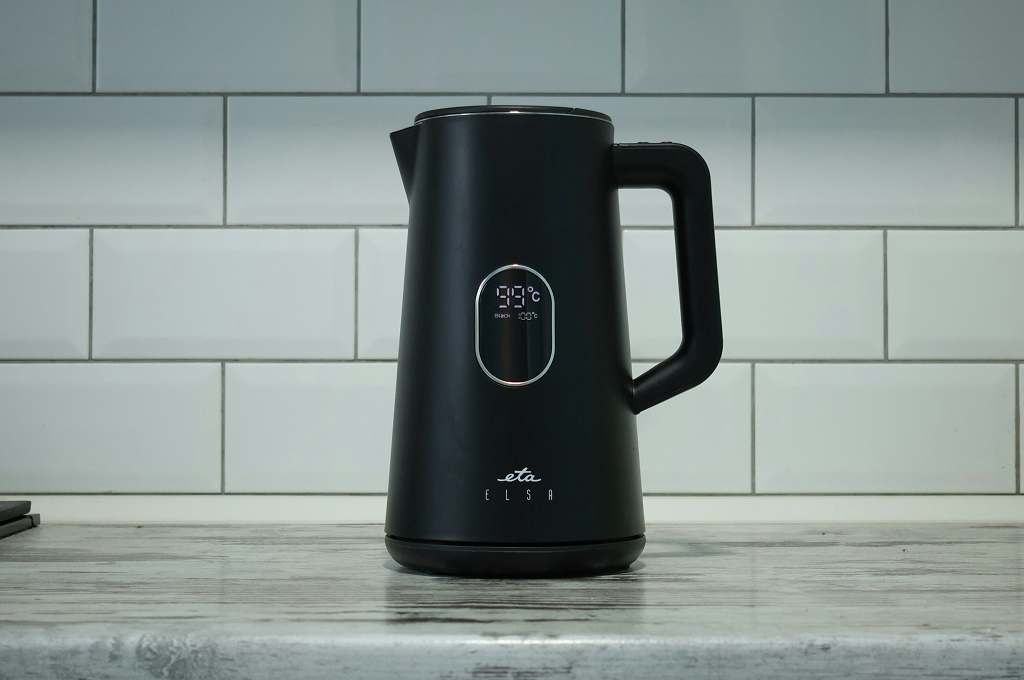
What affects kettle noise:
- Heating element design
- Kettle material (glass vs stainless vs plastic)
- Water level (less water = faster, sometimes louder boiling)
- Limescale buildup (causes louder boiling)
Typical kettle noise: 50-60 dB during boiling, silent otherwise.
Most electric kettles are acceptable for apartment use. The boiling cycle is short (2-4 minutes) and the noise level is moderate.
Check Electric Kettles on Amazon
Tips for quieter kettle use:
- Descale regularly to prevent buildup
- Don’t overfill (more water = longer boiling time)
- Stainless steel kettles tend to be slightly quieter than glass
6. Quiet Exhaust Fans and Range Hoods
Range hoods and exhaust fans can be extremely loud, especially on high settings. In apartments, you often can’t replace the built-in hood, but you can manage it.
Typical range hood noise levels:
- Low setting: 40-50 dB
- Medium setting: 50-60 dB
- High setting: 60-70+ dB
Tips for quieter cooking ventilation:
- Use low or medium fan settings when possible
- Turn on the fan before cooking starts (removing smoke is easier than clearing it)
- Clean filters monthly (clogged filters force higher fan speeds)
- Cook with lids on pots to reduce smoke and steam
7. Quiet Refrigerators
Refrigerators run constantly, so even small noise differences matter. Modern refrigerators range from 32-47 dB.
What makes refrigerators loud:
- Compressor cycling (the hum you hear)
- Fan motors
- Ice makers (clicking and dropping ice)
- Water dispensers
For apartment renters, refrigerator replacement is usually not an option. If yours is loud:
Noise reduction tips:
- Ensure it’s level (unlevel fridges vibrate)
- Clean condenser coils (dirty coils make compressor work harder)
- Check door seals (poor seals cause more frequent cycling)
- Leave space behind the unit for airflow
- Place a rubber mat underneath if on hard flooring
Quietest Appliances Summary Table
| Appliance | Quiet Model | Decibel Level | Price Range |
|---|---|---|---|
| Blender | Hamilton Beach SoundShield | ~70 dB | $60 |
| Blender (portable) | Nutribullet Flip | ~71-73 dB | $80 |
| Air Fryer | COSORI Pro LE | ~55-60 dB | $90 |
| Dishwasher | Countertop models | ~50-55 dB | $300-500 |
| Coffee Maker | Drip (no grinder) | ~40-50 dB | $25-100 |
| Electric Kettle | Most models | ~50-60 dB | $20-50 |
General Tips for a Quieter Kitchen
Beyond choosing quiet appliances, these practices reduce overall kitchen noise:
Timing:
- Run loud appliances during daytime hours (10am-8pm)
- Prep ingredients that require blending the night before
- Use dishwasher delay-start to run during less sensitive hours
Placement:
- Place appliances on rubber mats or folded towels
- Keep appliances away from shared walls
- Use corners where walls absorb sound
Maintenance:
- Clean filters and vents regularly
- Keep blades sharp
- Descale kettles and coffee makers
- Level appliances properly
Alternatives:
- Use manual tools when possible (hand whisk vs electric mixer)
- Choose simpler appliances without motors when function allows
- Consider whether you need the loudest setting
When Noise Complaints Happen
If you receive noise complaints about kitchen appliances:
- Apologize and acknowledge the concern
- Ask what times are most problematic
- Adjust your schedule to avoid early morning/late night use
- Consider upgrading to quiet kitchen appliances for apartments
- Add soft materials (rugs, curtains) to absorb sound
Most noise conflicts resolve with simple communication and schedule adjustments.
Our Top Picks for Apartment Kitchens
If you’re shopping for quiet kitchen appliances for apartments, start with these:
Best overall quiet appliance: Hamilton Beach SoundShield Blender The biggest noise reduction for the most commonly loud appliance.
Best for early risers: Drip coffee maker (no grinder). Make coffee without waking anyone.
Best multipurpose: COSORI Air Fryer Pro LE. Quiet operation with versatile cooking functions.
Best investment: Countertop dishwasher. Quiet models available, plus no permanent installation.
Conclusion
Quiet kitchen appliances for apartments make cooking more pleasant for you and more peaceful for everyone around you. Focus on blenders first since they’re the loudest common appliance, then consider air fryers and dishwashers based on your cooking habits.
The best quiet kitchen appliances for apartments cost slightly more than standard models but pay off in better relationships with neighbors and housemates. When choosing quiet kitchen appliances for apartments, check decibel ratings before buying.
For more apartment living tips, see Apartment Guide’s noise reduction guide. Your early-morning smoothie doesn’t have to be everyone’s alarm clock.
Related Articles:
- Kitchen Tools for Small Apartments With No Storage
- Mini Air Fryer vs Toaster Oven
- Best Space-Saving Kitchen Tools
Disclosure: We earn a small commission if you purchase through our links, at no extra cost to you. This supports our site. Full disclosure